Fotona Laser Treatments for Natural-Looking Rejuvenation
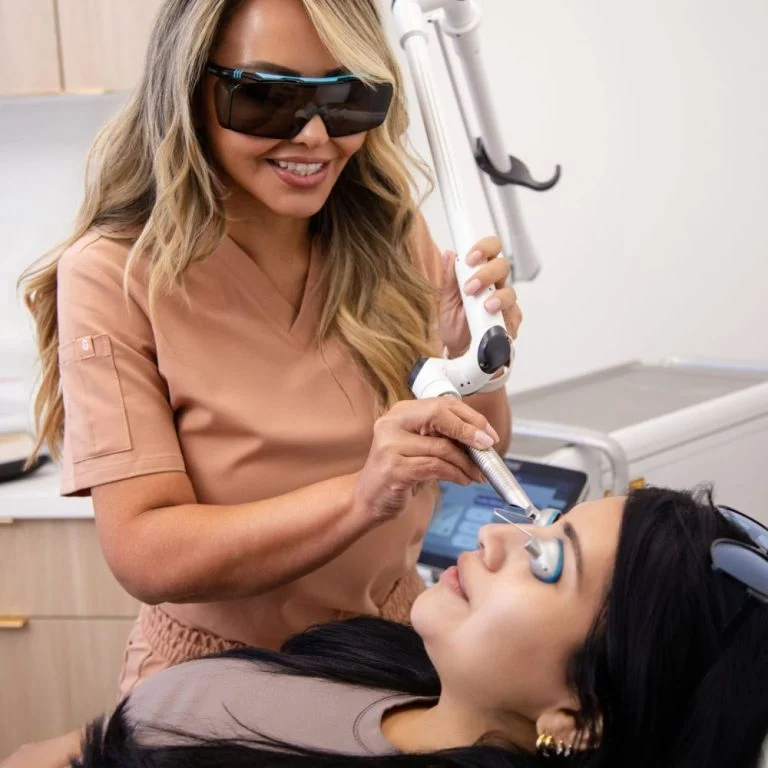
Aesthetic medicine has moved away from the obvious, overfilled look and toward something quieter and more believable. Most patients are not asking to look like a different person. They want to look rested, fresher, and a little tighter around the eyes, jawline, or mouth. They want compliments that sound like, “You look well,” not, “What did you have done?” That shift in patient preference is one reason Fotona Laser Treatments have gained so much attention in clinics that focus on subtle, cumulative rejuvenation.
Fotona systems are not a single treatment in the way many people assume. They are a platform with different modes, wavelengths, and protocols that can be tailored to concerns such as fine lines, textural changes, mild laxity, acne scars, enlarged pores, vascular redness, and intimate wellness. What makes them especially appealing for natural-looking rejuvenation is their versatility. Instead of relying on one aggressive intervention, practitioners can often combine lighter, layered approaches that stimulate change gradually.
That distinction matters. In real practice, the best cosmetic result is rarely about one dramatic session. It is more often about selecting the right energy, the right depth, and the right cadence for the person sitting in front of you. A 38-year-old with early under-eye creasing, a 52-year-old with lower face heaviness, and a 64-year-old with significant photodamage https://maps.app.goo.gl/qXD4j3287tCBo42W7 do not need the same treatment plan, even if all three say the same thing: “I just want to look like myself, only better.”
What Fotona actually refers to
Fotona is a laser platform best known for using two wavelengths, Er:YAG and Nd:YAG, depending on the device and protocol. Those names matter because they tell you something practical about how the treatment behaves in tissue. Er:YAG is often used where precision and controlled resurfacing are the goal. Nd:YAG can reach deeper and is often used for tightening, vascular concerns, and bulk heating of collagen-rich tissue.
Patients do not need to memorize laser physics, but they do benefit from understanding that Fotona Laser Treatments are adaptable. A practitioner may use one mode to gently heat deeper tissue and another to refresh the surface. That combination can create a more balanced result than surface treatment alone. Skin can become smoother, but also firmer. Tone can improve, but so can texture. The overall effect often looks more natural because it respects the architecture of the face instead of simply pulling or filling one area.
One of the best-known examples is the non-surgical “4D” approach, where multiple passes are performed inside and outside the mouth to address volume support, skin quality, and tightening. It sounds highly technical, but the patient experience is often surprisingly straightforward. There is no operating room, no general anesthesia, and, depending on settings and individual sensitivity, downtime can range from minimal to moderate.
Why natural-looking rejuvenation is harder than it sounds
Subtle aesthetic work takes more judgment than dramatic work. It is easy to promise “tightening” or “resurfacing.” It is harder to improve a face without flattening expression, changing identity, or creating that polished, slightly unnatural sheen that experienced eyes can spot immediately.
Natural-looking rejuvenation usually depends on three principles. First, tissue quality has to improve, not just contour. Fine lines, crepey skin, diffuse redness, and rough texture all contribute to an aged appearance, even in people with good bone structure. Second, treatment needs to be proportional. The eyelids might need a different level of intervention than the cheeks. Third, changes should unfold in a believable way. Human faces do not look ten years younger overnight unless something major has happened, and that can be socially conspicuous in ways many patients dislike.
This is where Fotona can be useful. It allows practitioners to treat the skin as a living structure rather than a flat surface. If a patient has early lower face laxity, for example, the answer may not be more filler. In fact, adding volume to a heavy lower face can sometimes worsen the impression of fullness. Strategic laser tightening paired with textural improvement may create a cleaner result. Likewise, a patient bothered by lipstick lines may not need lip augmentation at all. Better support around the mouth and mild resurfacing can soften the area while preserving natural lip shape.
The concerns Fotona handles especially well
The strongest candidates for Fotona Laser Treatments are often people who are not yet ready for surgery, do not want the maintenance cycle of repeated injectables, or need improvement in skin quality more than they need a large structural change. In experienced hands, Fotona can be particularly effective for the gray zone between skincare and surgery, where many adults spend years trying to figure out what actually works.
For fine lines and early wrinkles, especially around the eyes and mouth, precise resurfacing can create a visible but controlled improvement. For enlarged pores and uneven texture, treatment can smooth the skin in a way topical products rarely achieve. For mild laxity, controlled heating of deeper tissues may support collagen remodeling over time. The word “may” is important here because tightening results vary. A patient with mild looseness often sees more benefit than someone with advanced sagging or heavy jowling.
Acne scars are another area where thoughtful laser use can shine. Not every scar responds equally. Rolling scars, shallow boxcar scars, and textural irregularities often improve more than deep ice-pick scars. That is not a flaw of the laser, just a limitation of anatomy. Patients who understand that distinction are generally happier because they are evaluating progress realistically instead of expecting complete erasure.
Redness and vascular concerns can also enter the conversation, depending on the device and settings used. Some clinics use Fotona platforms for visible vessels or diffuse flushing, although protocol choice is highly practice-specific. The key point is that one platform may address more than one complaint, which can make treatment plans more efficient.
How a session usually feels in real life
Patients tend to arrive with two questions: Will it hurt, and how long will I look rough afterward? The honest answer is that comfort and downtime depend on the specific protocol. Fotona is not one uniform experience. A mild tightening session can feel warm, prickly, and very manageable. More intensive resurfacing can feel sharp and hot enough that topical anesthetic, cooling, or both become important.
Immediately after treatment, skin may look pink, flushed, or mildly swollen. Deeper resurfacing can create a rough, bronzed, sandpapery texture for several days as the skin heals. Internal oral treatments, when part of a multi-step protocol, can create fullness or tenderness that usually settles fairly quickly. Many patients can return to normal activities sooner than they would after ablative surgery, but “minimal downtime” should never be interpreted as “no visible recovery at all.”
This is one of the places where marketing can distort expectations. A person attending a wedding in three days should not assume every laser session is a lunchtime procedure. I have seen patients do beautifully with a lower-intensity treatment and be back to meetings the next day with a bit of tinted sunscreen. I have also seen patients underestimate a stronger resurfacing session and regret booking it too close to a major event. Timing matters.
The difference between good results and disappointing ones
The technology matters, but practitioner judgment matters more. Two clinics can use the same device and produce very different outcomes. Most disappointing results do not happen because the laser “doesn’t work.” They happen because the treatment was too aggressive for the skin type, too mild for the concern, or chosen for the wrong indication altogether.
A common example is skin laxity. Lasers can help mild to moderate laxity, especially when skin quality is part of the problem. They do not replace a facelift in someone with pronounced jowls, heavy neck bands, and significant tissue descent. Patients sometimes hear “tightening” and imagine surgical-level lifting. That gap between wording and reality is where dissatisfaction starts.
Another issue is pigment risk. Darker skin tones can absolutely be treated, but settings, pretreatment, and aftercare require care. Anyone with a history of post-inflammatory hyperpigmentation, melasma, or reactive skin deserves a conservative plan and a frank conversation about trade-offs. The safest treatment is not always the most dramatic treatment, and the most dramatic treatment is not always the wisest first move.
Good outcomes usually share a few traits. The consultation is detailed. Photography is standardized. The practitioner distinguishes surface aging from volume loss and true tissue descent. The patient understands that collagen remodeling unfolds over weeks to months, not overnight. When all of that happens, Fotona Laser Treatments can fit beautifully into a longer-term rejuvenation strategy.
Why the mouth and eye area respond so well
The areas around the mouth and eyes often reveal age earlier than the rest of the face. The skin is thinner, movement is constant, and small changes in laxity become visible fast. These zones also happen to benefit from precise, conservative laser work.
Around the eyes, patients often complain that concealer settles into creases, upper lid skin feels less taut, or the lower lid takes on a crinkled look in certain light. Mild resurfacing can improve texture, and carefully selected tightening protocols may help the skin feel denser. Results here need finesse. Too much aggression near the eyes can mean prolonged swelling or an unnatural look, while too little may not justify the treatment.
Around the mouth, the challenge is different. Smokers’ lines, though they are not limited to smokers, often reflect a mix of repetitive motion, collagen loss, and structural changes in the surrounding tissue. Filler can help in some cases, but it can also look stiff or puffy if overused. Laser treatment can soften the etched quality of these lines while preserving natural animation. For many patients, that is a more elegant answer.
One of the more interesting aspects of Fotona’s protocols is the use of intraoral treatment in selected cases. Working from inside the mouth to heat tissue support structures can contribute to perioral improvement without placing more external volume into a region that may already feel heavy. It is a very different philosophy from simply filling every fold.
What recovery really requires
Aftercare is not glamorous, but it has a direct effect on outcomes. Skin that has been heated or resurfaced is temporarily vulnerable. Barrier support, gentle cleansing, and strict sun protection are not optional extras. They are part of the treatment.
Patients with busy schedules often do best when their post-treatment plan is practical and specific. A vague instruction like “baby your skin” is not enough. They need to know what cleanser to use, when to restart active ingredients, how often to moisturize, and what warning signs warrant a call to the clinic. If they are prone to cold sores and the mouth area is treated, prophylaxis may be discussed. If they have a history of pigmentation issues, brightening agents or melanin-suppressing regimens may be part of preparation or follow-up.
The recovery window can also be socially important. Some patients are comfortable appearing pink for several days. Others are not. That sounds superficial, but it is not. A treatment plan has to fit real life. A trial lawyer in court all week, a bride close to her ceremony date, and a teacher returning to the classroom on Monday do not all have the same downtime tolerance. Smart clinicians plan around that instead of pretending one timeline suits everyone.
Who tends to love Fotona, and who may need something else
The happiest patients are often those who value refinement over transformation. They are usually willing to do a series, patient enough to wait for collagen remodeling, and realistic about the fact that skin rejuvenation is a process. They may already take decent care of their skin and want results beyond what skincare can provide, but they are not looking to become unrecognizable.
Patients expecting major lifting from a non-surgical treatment are more likely to feel underwhelmed. So are people who compare every intervention against heavily edited online images. Laser results can be impressive, but they are rarely theatrical in the way social media sometimes suggests. They tend to look best in person, in motion, and over time.
There are also cases where another modality is simply better. Deep static folds may need filler or biostimulation. Pronounced lower face and neck descent may be better addressed surgically. Significant muscle-driven lines may respond best to neuromodulators. Persistent pigmentation can require a different laser, chemical peel, or a more cautious strategy altogether. The most ethical use of a device is knowing when not to use it.
Questions worth asking before you commit
A consultation should leave you with a treatment plan that makes sense for your face, your goals, and your tolerance for recovery. If it feels generic, keep asking questions. A strong provider will welcome that.
- What specific concern are you treating in me: texture, laxity, pigment, redness, scars, or a combination?
- Which Fotona protocol or wavelength are you planning to use, and why is it a fit for my skin?
- How many sessions do you think I may need, and what degree of improvement is realistic?
- What will I likely look like on day one, day three, and day seven after treatment?
- If this does not get me all the way there, what would the next best option be?
Those questions do more than gather information. They reveal how your provider thinks. If the answers are precise, balanced, and individualized, that is a good sign. If every problem somehow has the same exact answer, caution is wise.
Combining Fotona with other treatments
One reason experienced aesthetic clinics like Fotona platforms is that they fit well into combination care. Aging is not one-dimensional, so treatment should not be either. A patient may need improved skin texture, modest tightening, and a small amount of volume restoration. Another may need laser for acne scar texture and neuromodulator for forehead movement. These combinations often produce the most natural results because each modality is used for what it does best.
That said, combining treatments requires sequencing. Doing too much too close together can irritate the skin or make it difficult to judge what is working. A thoughtful plan spaces interventions with purpose. If resurfacing is performed first, filler may be reassessed later once tissue quality has improved. If pigment is a concern, barrier stability may come before any aggressive step. Patience here is not a sales tactic. It is good medicine.
There is also a financial reality that should be acknowledged openly. A series of laser sessions can represent a meaningful investment. Sometimes it is the right one. Sometimes a patient would be better served by a different treatment that addresses the main issue more directly. Ethical recommendations consider budget in a practical way, especially since maintenance may be part of the long-term picture.
The value of gradual change
One of the most underappreciated benefits of laser-based rejuvenation is that it allows people to age with a little more control and a lot less drama. Not everyone wants a sharp intervention. Many want to look consistently healthy over the years, with fewer sudden corrections later on.
Gradual improvement has social advantages too. Friends and colleagues register that you look fresher, but the face still reads as yours. There is continuity in expression. Smile lines still move. The skin simply catches light better, makeup sits better, and features look less fatigued. That is often the sweet spot.
I have seen this especially in patients in their forties and early fifties, when the first real signs of laxity and textural decline start to show but surgery still feels premature. A carefully chosen series of Fotona Laser Treatments can buy time, improve confidence, and maintain facial character. That last point matters. Character is often what people accidentally erase when they chase youth too aggressively.
Reading before-and-after photos with a critical eye
Before-and-after galleries can be helpful, but only if you know how to read them. Lighting, angle, expression, and timing can all exaggerate or minimize a result. Strong photos are standardized, with similar head position and neutral facial expression. The skin should be shown honestly, not through flattering blur.
Look beyond one dramatic image. Pay attention to whether the clinic shows patients with concerns similar to yours. Someone with early crepiness and someone with severe sun damage are not interchangeable examples. Also notice whether the outcome looks harmonious. Good rejuvenation is not just fewer lines. It is improved skin quality that still belongs to the same person.
If all the photos look aggressively edited or overly polished, that tells you very little. Natural-looking aesthetic medicine should photograph honestly because its strength is credibility, not spectacle.
Making peace with what lasers can and cannot do
Every worthwhile rejuvenation treatment sits somewhere between hope and limitation. Fotona laser treatments are no exception. They can improve skin quality, soften lines, support collagen, and create a fresher overall look, sometimes with less downtime than people expect. They cannot duplicate surgery, erase all movement, or make decades of sun exposure disappear in one pass.
When patients understand that, they are often delighted. They stop asking a laser to do the job of a scalpel, and they stop judging nuanced improvements as if they were meant to be extreme. That mindset leads to better decisions and better outcomes.
Natural-looking rejuvenation is not about winning a race against age. It is about preserving vitality without sacrificing identity. Used with restraint and good judgment, Fotona can be a remarkably effective tool for exactly that purpose.
OMNIA Wellness Center
Address: 16430 Ventura Blvd Ste 207, Encino, CA 91436
Phone number: +18183868511
FAQ About Fotona Laser Treatments
What is a Fotona laser good for?
A Fotona Laser system is a versatile, dual-wavelength medical laser used primarily for non-surgical skin tightening, anti-aging rejuvenation, and dermatological treatments.
How much does the Fotona laser cost?
The cost of a Fotona laser depends heavily on whether you are looking to purchase a laser machine for a medical practice or are a patient seeking a laser treatment at a medspa.
Is a Fotona laser worth it?
A Fotona laser treatment is generally worth it if you want non-surgical skin tightening, improved texture, and collagen stimulation with very little downtime.